 Voxly Vision











Three things you'll learn
- Does a free meal count as payment for an influencer post?
- How much control does a brand need before a post becomes its ad?
- Why can a gifted post also break the 2026 rules on less healthy food ads?
Plenty of brands still think gifting is the safe option for advertising compliance. No fee, no contract, no approval of the post, so it's the creator's own content. In September 2026 the ASA ruled against Harnbury Holdings Ltd t/a San Carlo and showed exactly why that thinking doesn't hold.
What happened
San Carlo Cicchetti in Manchester launched a breakfast menu. Its PR agency invited a food creator to the launch, with complimentary food and drink for her and a guest. No money changed hands.
But the invitation offered the experience "in exchange" for at least three Instagram Stories and a grid post or reel tagging the restaurant. A follow-up email attached a press release so she had the messaging ahead of her visit.
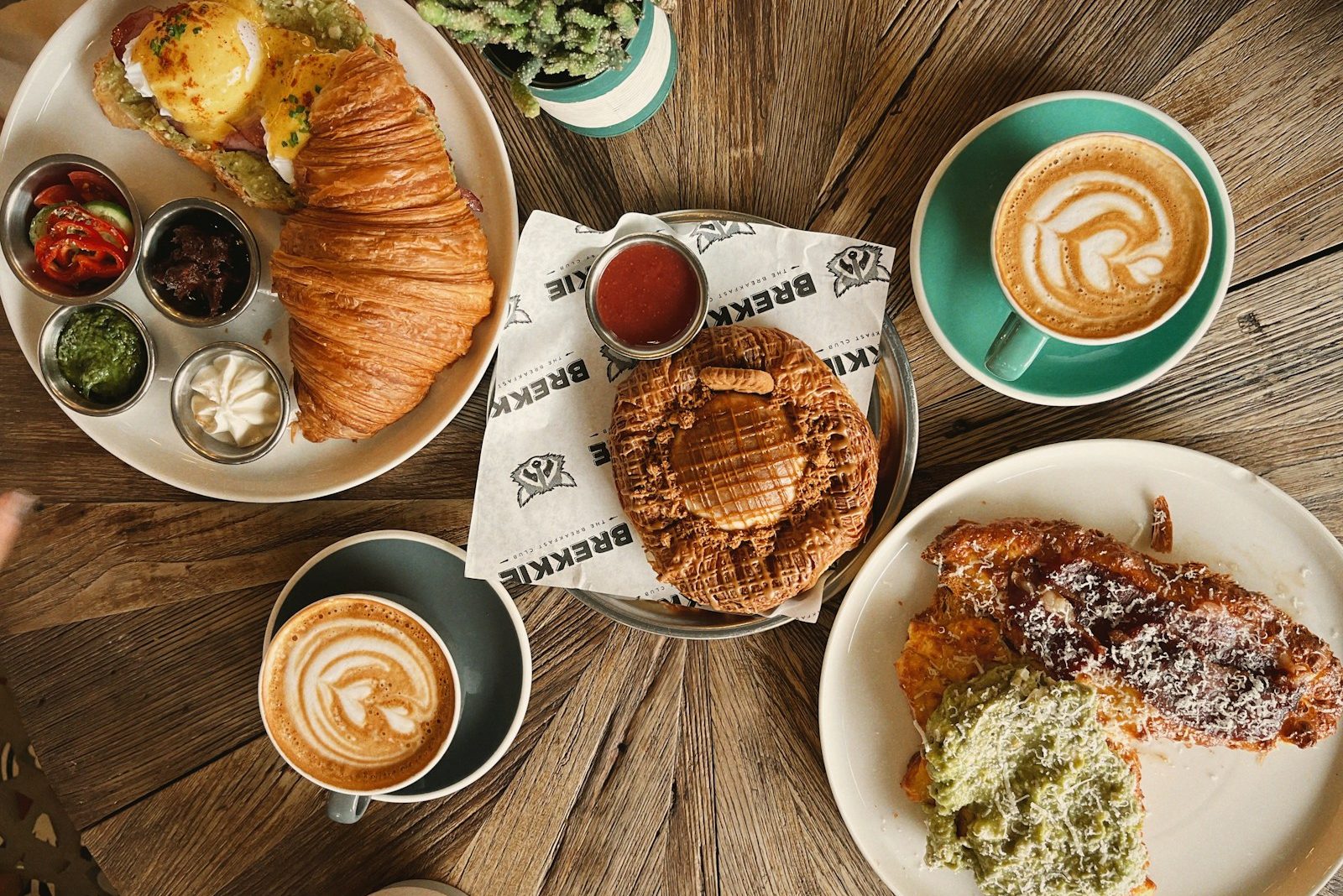
The resulting carousel showed giant filled croissants, crepes and two drinks, with a caption opening "Croissants THIS BIG should be illegal!!". It tagged the restaurant. It didn't say #ad.
Why it counted as an ad
For the CAP Code, an influencer post is an ad when the brand pays (in money or in kind) and has some control over the content. The restaurant accepted the meal could be payment, but argued it had no editorial control because it never saw the post before it went live.
The ASA disagreed. Asking for a set number of posts in set formats, requiring a tag and sending over the messaging was enough control. So the post was a marketing communication, and it had to be obviously identifiable as one under rules 2.1, 2.3 and 2.4.
It wasn't. Tags, hashtags and linked text don't tell a scrolling follower that the brand is behind the post. Nothing like "#ad" appeared upfront.
Lesson: a gift in exchange for content is payment, and a brief is control.
The second breach most brands miss
Since 5 January 2026, paid online ads must not identify specific less healthy food or drink products. Because the free meal counted as payment, this post was a paid online ad too.
General references to brunch, breakfast and the deli counter were fine, as brand advertising for a whole range. The problem was seven specific menu items shown in the photos, including the signature giant croissants, a tiramisu crepe and the full English. San Carlo's own nutrient data showed all seven were less healthy products, which breached rule 15.19.
Adding #ad would have fixed the first breach, but not this one. A correctly labelled post showing those dishes would still have been a less healthy food ad placed online.
Lesson: if your products are less healthy, gifted content can't show them, labelled or not.
What the creator said
The creator said she hadn't used #ad or Instagram's paid partnership tool, and that she just wanted to share a genuine experience. She accepted that gifted or hosted content must be clearly labelled and committed to doing so in future.
That is the common story. Most creators aren't trying to hide anything. But the ruling names both parties: the brand and the creator must make sure future ads are obviously identifiable. The brand can't leave labelling to chance.
Lesson: the brand is responsible for the label, not just the creator.
Advertising compliance checklist for gifting campaigns
- Does your invitation ask for posts, formats, tags or timings? If so, treat the content as an ad.
- Does the brief tell creators to put "#ad" at the start of the caption and on every Story frame?
- Do you send messaging or press releases? That counts as control too.
- If you sell food or drink, have you checked which products are less healthy before they appear in gifted content?
- Do you check posts after they go live and ask for fixes quickly?
Checking creator content at scale
Gifting campaigns can produce dozens of posts in a week, from creators you've never worked with. Checking each one by hand for advertising compliance, against both the labelling rules and the less healthy food rules, is slow and easy to get wrong.
That's why we built Voxly Vision. It checks images, video and copy against the CAP Code and your brand guidelines, and flags issues for a person to make the final call. With Diageo, sign-off went from more than three days to about an hour.
See how it works.