 Voxly Vision




















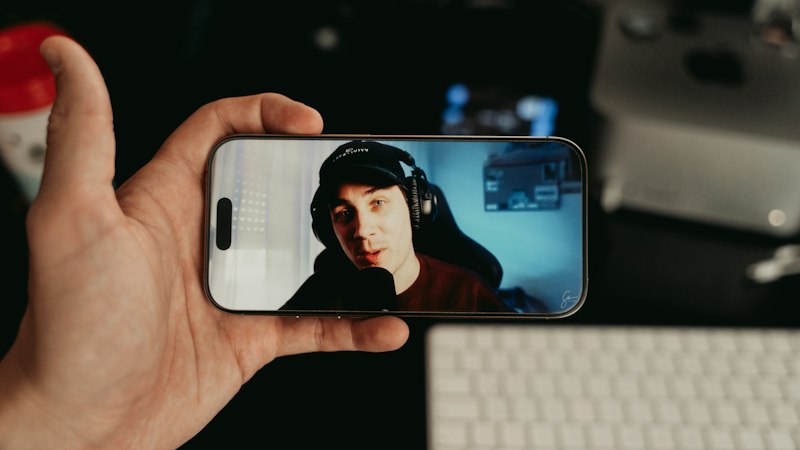



On 16 September 2026 the ASA published a ruling against Dribble Media Ltd, which trades as Midnite, over a paid social ad promoting a World Cup welcome offer. Midnite had not made the ad, had not approved it and said the branding was not its own. The ASA upheld the case anyway.
The ruling is a clear statement of a principle UK gambling operators have lived with for years: if marketing promotes your product, you carry the risk, whoever made it.
The ad nobody at Midnite saw
The ad was seen on 3 July 2026. It showed an AI-generated man using a betting app on his phone. According to Gambling.com's report on the ruling, the content came from an affiliate, Limay Media Ltd, which Midnite had not engaged to run paid social advertising. Limay said the character was a fictional adult and that the prompt used to generate him gave no age.
The ASA looked at what a viewer would see: a youthful face, casual styling and an excited manner that suggested someone in his late teens or early twenties. It found the ad breached CAP Code rules 16.3 and 16.3.14, which say no-one who is, or seems to be, under 25 may be featured gambling or playing a significant role.
Two details matter. First, the prompt said nothing about age or the gambling rules, so nothing in the process stopped a young-looking face being generated. Second, the ad was not found through a complaint. It was flagged by the ASA's own monitoring, which uses an AI age-prediction model to flag people who may be under 30 for a reviewer to check.
Lesson: the under-25 test is about how a person looks, and it applies to AI-generated people exactly as it does to real ones.
Why the operator carries the risk
Midnite said it had ended the relationship with Limay and would remind its affiliates of their obligations. The ASA gave little weight to the affiliate admitting it had acted outside its remit. Under the CAP Code, the operator remains responsible for affiliate marketing that promotes it, even where the affiliate breaks the operator's own terms.
This is not new. In May 2017 the Gambling Commission fined BGO Entertainment £300,000 after a licence review, its first penalty for advertising failings. Fourteen of the misleading ads were on affiliate websites, and the Commission held BGO responsible for them.
Lesson: an affiliate agreement moves the work, not the responsibility.
Influencers: the same rules, a different risk
Influencer content raises the same question from another angle. In a ruling reported in March 2025, the ASA upheld a complaint against a PokerStars Instagram post featuring two YouTubers playing slots. One won repeatedly, the other still came away with money, and a joke about warming a finger before pressing the button suggested simple actions bring big wins. The ASA said the post gave a false sense of guaranteed success and breached rules 16.1, 16.3 and 16.3.1.
The creator's style, the comedy and the casual setting are exactly what make influencer content work. They are also what reviewers look at first.
Odds comparison and tipster accounts count too
On 27 May 2026 the ASA ruled against two Instagram posts from Oddschecker featuring Harry Kane and Erling Haaland. Oddschecker argued the posts were editorial and that the account was restricted to over-18s. The ASA found the posts were intended to encourage betting with bookmakers, so they were marketing, and that self-declared age settings were not enough.
If you pay affiliates or odds comparison sites to promote your markets, their social feeds sit inside your risk, not outside it.
What to check before affiliate and creator content runs
- Does your affiliate contract require pre-approval of paid social, not just websites?
- Do your generation prompts and creative briefs state the age rules: every person must be, and clearly look, 25 or over?
- Would anyone in the content plausibly be read as under 25 by a stranger scrolling past?
- Does the content show wins without losses, or suggest that luck, skill or a ritual guarantees a result?
- Does it feature anyone, real or generated, likely to have strong appeal to under-18s?
- Can you show which version of the asset you approved, and when?
For the wider rule set, see our gambling advertising compliance page.
Checking content you didn't make
Voxly Vision checks images, video and copy against the CAP and BCAP Codes, the Gambling Commission's marketing rules and your own brand guidelines before anything goes live, and flags issues for a person to review. A human always makes the final sign-off decision, and every check is recorded, so you can show what was reviewed and when. Diageo used it to cut ad sign-off from 3+ days to about an hour, and review time per asset from 5-10 minutes to about 60 seconds.
See how it works.