 Voxly Vision


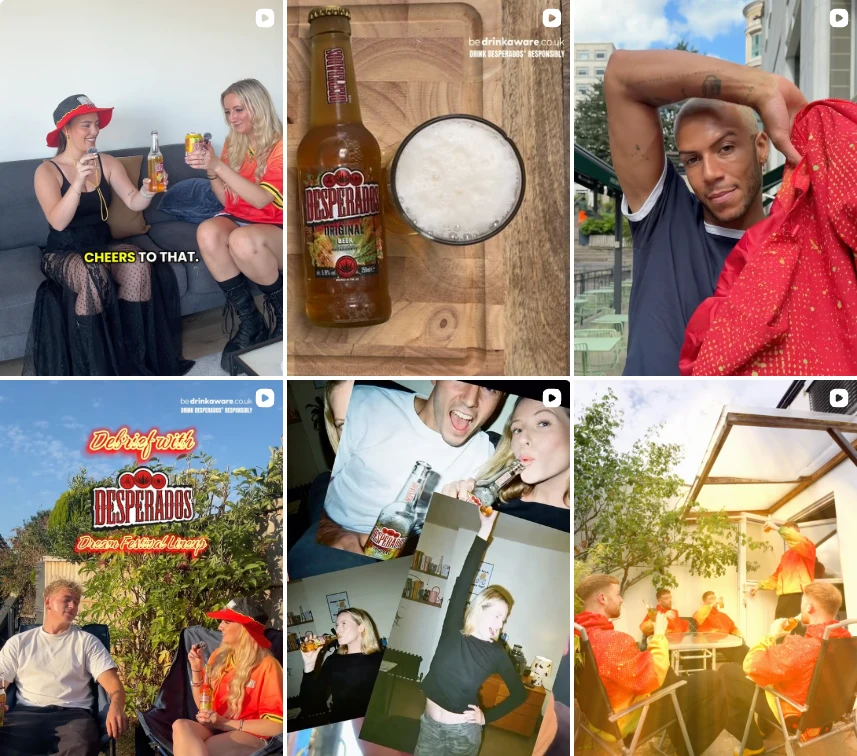




















When is an influencer post an ad?
Under the CAP Code, a post is an ad when the brand has given the influencer something and has some control over the content. Both parts are read broadly:
- Payment includes money, free products, gifted experiences, commission on affiliate links and discounts.
- Control includes approving the post, asking for certain messages or hashtags, or simply making the gift conditional on a post.
Even with no contract, a post can still be an ad. In September 2026 the ASA ruled that an influencer's post about a free brunch at a San Carlo restaurant was an ad, though no money changed hands and the restaurant never saw the post before it went live. Read our breakdown of that ruling.
How to label an influencer ad
The test is simple: people must be able to tell it's an ad before they read, watch or click. In practice that means:
- Put #ad or "Ad" at the start of the caption, not buried among other hashtags or after "see more"
- On video and stories, show the label on screen from the start, and on every frame of a multi-part story
- Use the platform's paid partnership tool as well, not instead, unless it's clear on its own
- Avoid vague labels such as #sp, #collab, #gifted on its own, "thanks to" or "in partnership with" without more
Does this apply to me?
Yes, if your brand works with creators in any way: paid campaigns, gifting, affiliate programmes, ambassadors or employees posting about your products. The ASA holds the brand and the influencer jointly responsible, so "we told them to use #ad" is not a defence if they didn't.
Your own social channels count too. Brand posts must follow the same CAP Code rules on claims as any other ad, and hidden advertising is also a banned practice under the DMCC Act 2024.
Sector rules still apply
Labelling is only half the job. An influencer ad must also follow the rules for your sector:
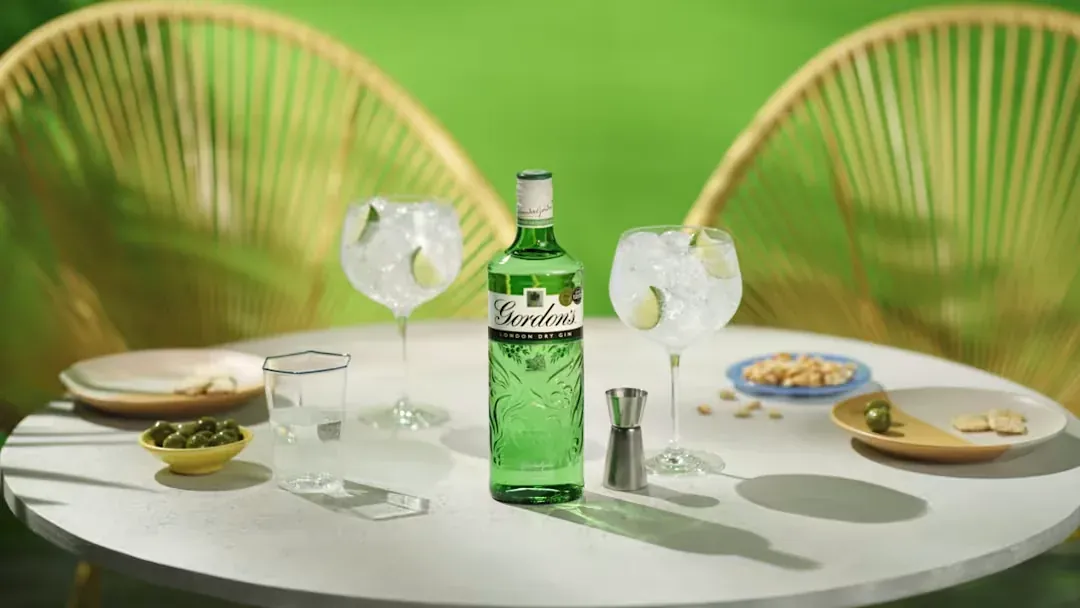
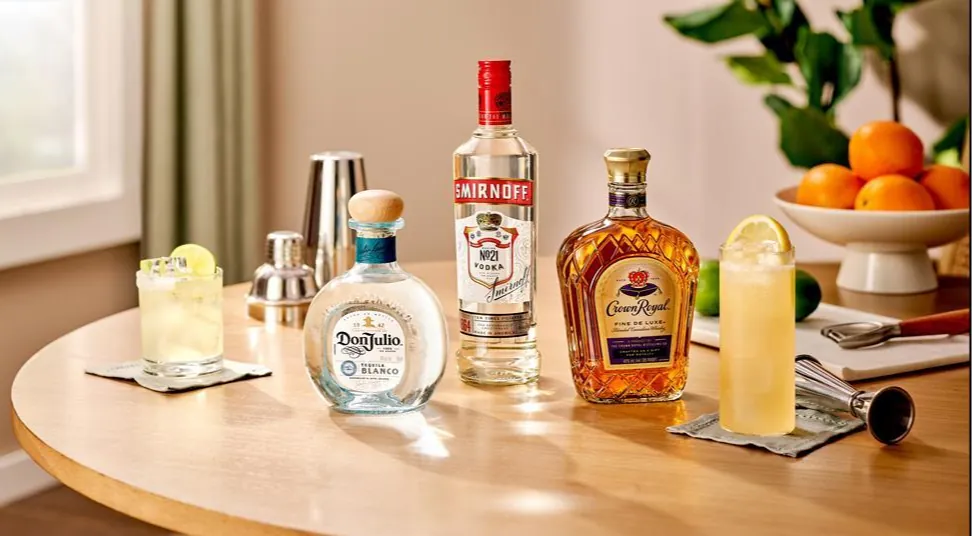
- Alcohol and gambling: the influencer must not appeal to under-18s, and must not be, or look, under 25.
- Health and supplements: only authorised health claims, and no claims to treat or cure disease.
- Financial services: finfluencer posts are financial promotions and need approval by an authorised firm.
- Food and drink: paid-for online ads for less healthy food have been banned since January 2026, and paid or gifted influencer posts can count. See food and drink.
How Voxly Vision checks an influencer post
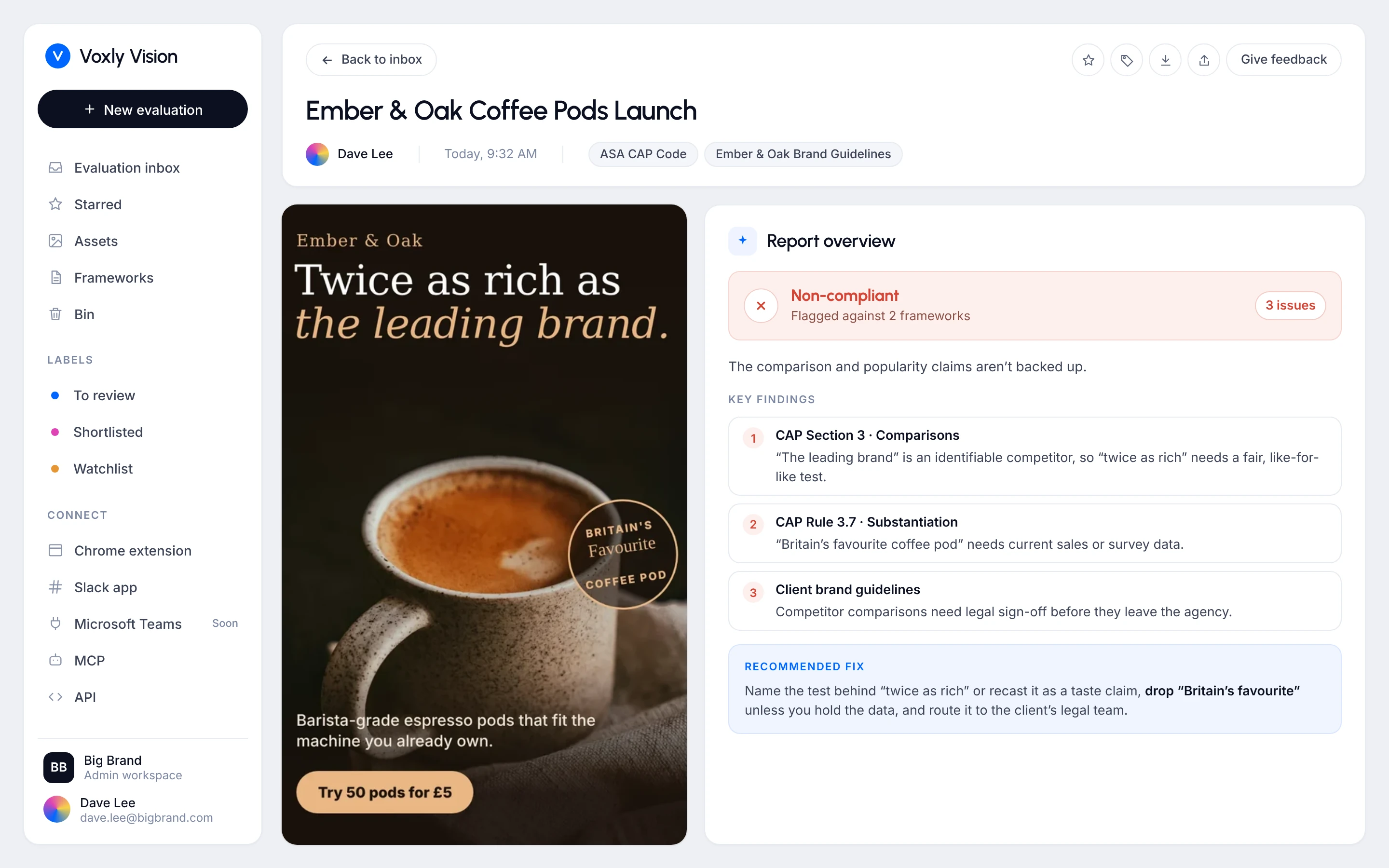
Check a live post with the Chrome extension, or drop in the creative before it goes out. Voxly Vision looks for a clear ad label, who appears in shot, and the claims in the caption and on screen.
Recent rulings and enforcement
San Carlo
Upheld · Sep 2026
An influencer's post about a free brunch was ruled an ad, and an ad for less healthy food, though no money changed hands. A free meal in exchange for posts was payment, and a brief was control.
ASA non-compliant influencers list
Ongoing
The ASA names influencers who repeatedly fail to label ads, runs targeted ads warning their followers, and can refer them to Trading Standards. Named influencers stay on the list for at least three months.
Frequently asked questions
Do I need to use #ad if I gifted the product?
Usually, yes. If the gift came with any expectation of a post, or the brand had any say in the content, it is an ad and needs a clear label. A genuinely unsolicited gift with no strings attached may not be, but the influencer should still disclose it.
Is #gifted enough?
Not usually. The ASA expects a label that makes clear the post is advertising. #ad at the start of the caption is the safest option.
Are affiliate links ads?
Yes. If the influencer earns commission from a link or code, the post is an ad and must be labelled as one.
Who is responsible if an influencer forgets #ad?
Both the brand and the influencer. The ASA can rule against both, so brands should check posts before and after they go live.
Is the Instagram paid partnership label enough?
It can help, but the ASA has said platform tools are not always prominent enough on their own. Adding #ad at the start of the caption is the safest approach.
Do these rules apply to brand employees?
Yes, if they post about the company's products as part of their job or are rewarded for it.