 Voxly Vision












The problem
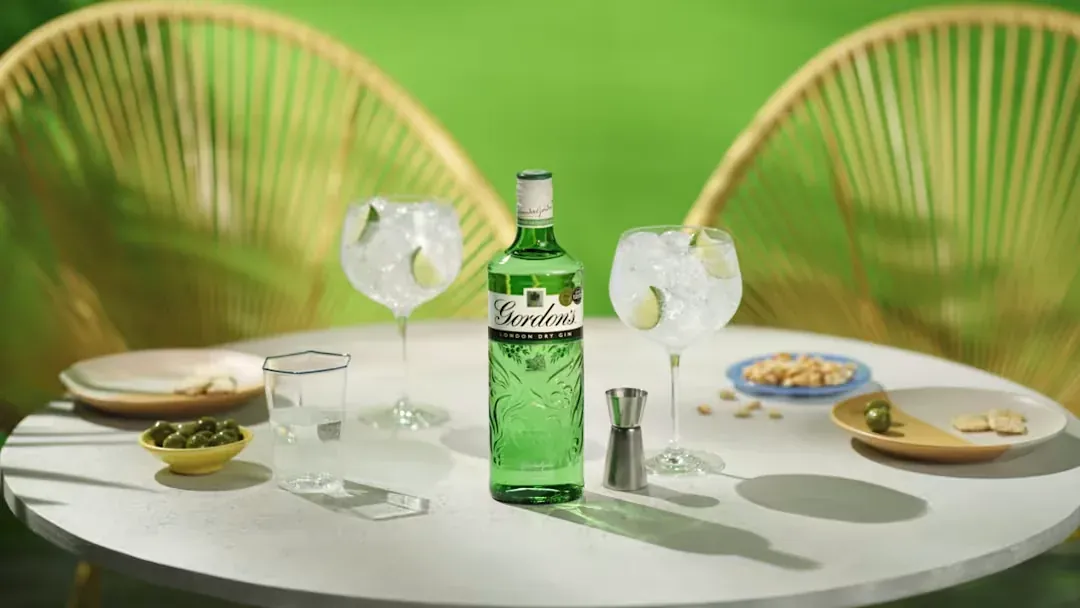
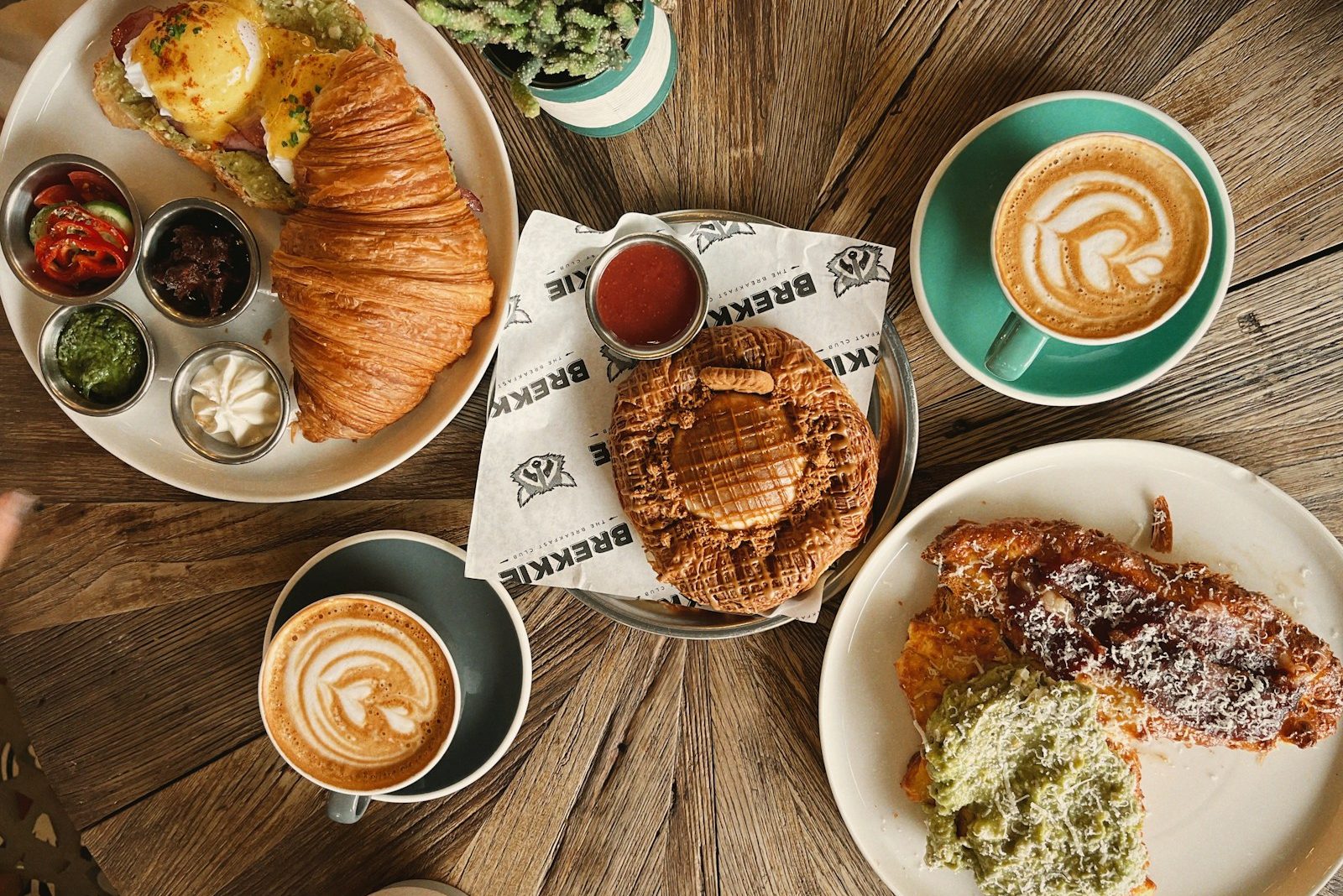
Since 5 January 2026, paid-for online ads for less healthy food and drink have been banned in the UK, and TV ads can only run after 9pm. A burger, a bag of crisps or a slice of pizza in the wrong ad, on the wrong channel, is now a breach.
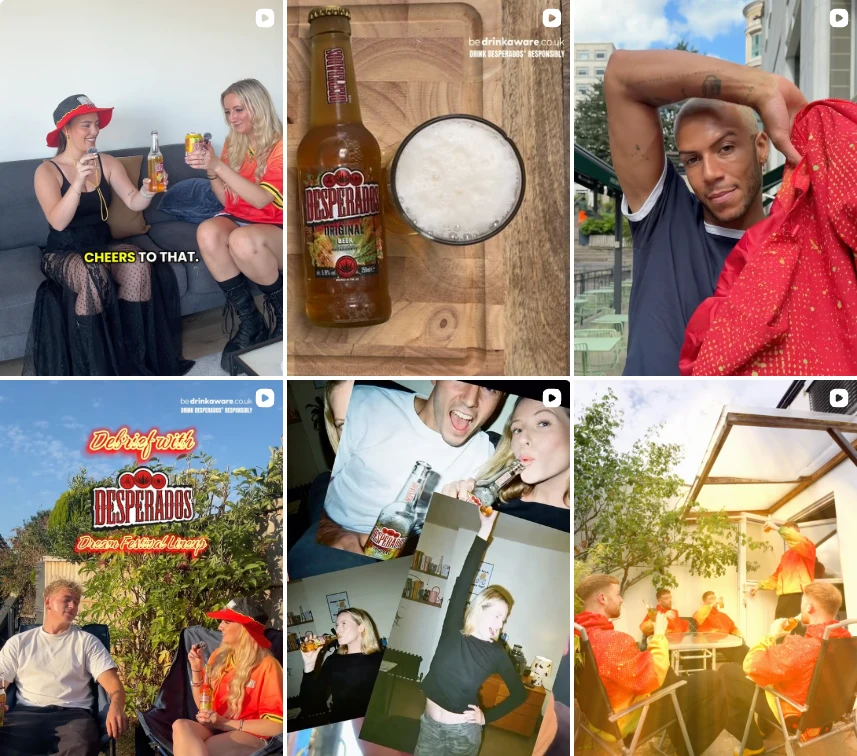
The rules are detailed. A healthier variant that looks like a less healthy one counts as the less healthy one. A brand mascot can count as a product. A franchisee can lose the small business exemption because of the size of the wider network. And a gifted influencer post can be ruled a paid-for ad.
Meanwhile, every claim about protein, sugar or vitamins has to match the authorised health claims list.
What we check
Every asset is checked against the rules that apply to food and drink brands:
- HFSS advertising rules: identifiable less healthy products in paid online ads and in TV ads before 9pm.
- Nutrition and health claims: only authorised claims, in the authorised wording.
- CAP Code section 15: food ads, children and promotions.
- Influencer rules: clear ad labels on creator posts.
- Your own marketing code: the claims and imagery your brand allows.
You get a verdict, the rules at stake and a recommended fix, in under a minute.
How Voxly Vision checks an ad
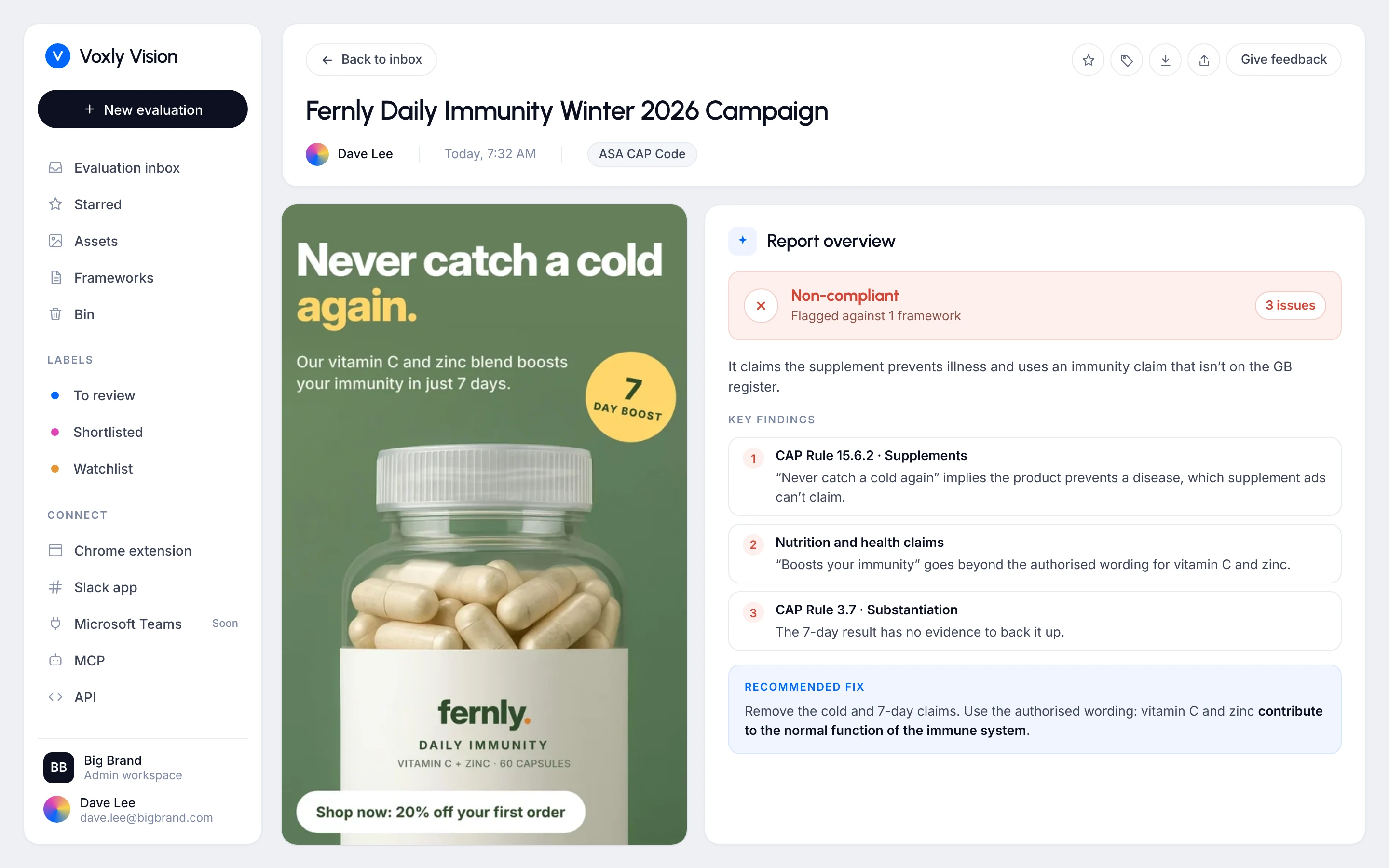
A food ad, checked in under a minute. The report shows the overall verdict, which rules are at stake and what to change before it goes live.
Regulations we check
Latest rulings
Who it's for







Frequently asked questions
Can I still advertise less healthy food online?
Not in paid-for online ads, unless an exemption applies, such as brand advertising without an identifiable less healthy product or being a business with fewer than 250 employees. Organic posts on your own channels are not covered by the ban.
Can Voxly Vision tell if a product is less healthy?
It flags products in the 13 less healthy categories so you can check them against your nutrient profiling scores. Your own product data is what confirms the status.
Can it check health and nutrition claims?
Yes. It checks food and supplement ads against the authorised nutrition and health claims and flags claims that aren't on the list.
Does it work for influencer content?
Yes. Check creator posts before they go live, including whether they show less healthy products and are clearly labelled as ads.