 Voxly Vision






















Two kinds of claim, two sets of rules
A health claim links a nutrient to a normal body function. "Zinc contributes to normal cognitive function" is one. Supplements and foods can make these, but only using authorised wording from the GB register. We explain how that works in our guide to health claims for supplements.
A medicinal claim says a product can treat, prevent or cure an illness, or ease its symptoms. Only licensed medicines, or medical devices with the right conformity marking, can make those. Under the CAP Code, foods and supplements can't claim to prevent, treat or cure disease, apart from the few authorised reduction-of-disease-risk claims on the GB register.
There's a legal edge to this too. Under the Human Medicines Regulations 2012, a product presented as treating or preventing disease can be treated as a medicine. So a supplement that makes a medicinal claim isn't just breaking the advertising rules. In the MHRA's eyes, it may be an unlicensed medicine.
Lesson: the claim decides what the product is, not the label on the tub.
Ruling 1: the blurred reviews (The Turmeric Co, August 2026)
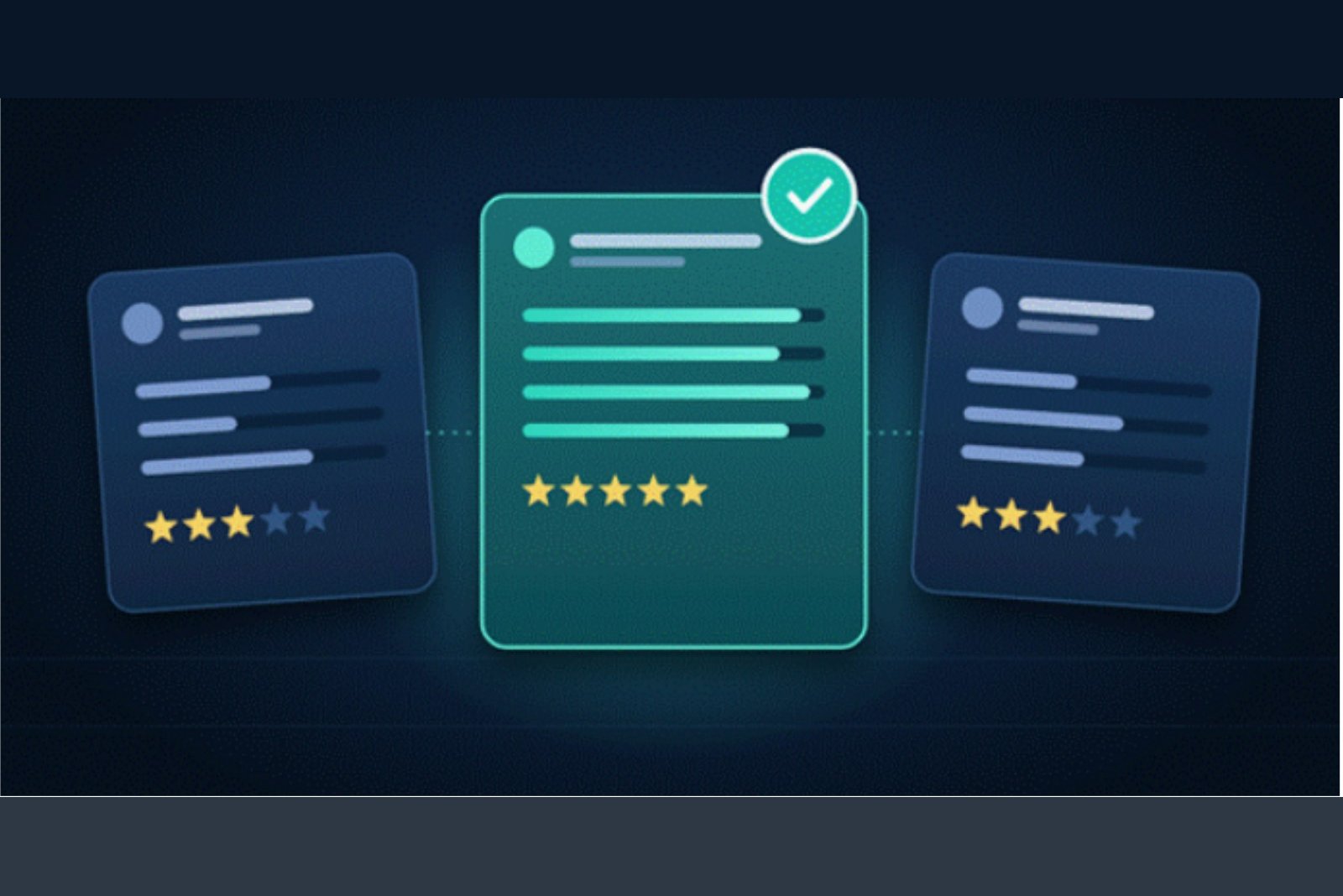
The Turmeric Co's website showed customer comments under the headline "Blurry here. Crystal clear on Trustpilot." The health conditions in each comment were blurred out. One still read: "Whilst it's not “cured” the [blurred] has halved at least since I started my shots."
The ASA ruled that the reviews still implied the shots could treat illness. Words like "cured", recovering from illness and symptoms being "nowhere near as bad" made the meaning clear, and readers were effectively invited to fill in the gaps.
Lesson: hiding the condition doesn't hide the claim.
Ruling 2: the children's gummies (ShroomIQ, April 2026)
ShroomIQ promoted "SuperShrooms for Kids" gummies on its website and in a Facebook ad. Testimonials mentioned ADHD and anxiety alongside improvements in focus and mood, and another page of the site pointed to studies on Tourette syndrome and depression.
The ASA found three breaches. The testimonials implied the product could manage those conditions, which made them medicinal claims. Phrases like "brain support" and "calm, mood and confidence" went beyond the authorised zinc claim the product could have used. And the ad featured health professionals, some of them AI-generated, which the ASA treated as a health professional endorsement. Health claims for food supplements can't refer to an individual health professional's recommendation, and an AI label didn't change that.
Lesson: an AI-generated expert is still an expert endorsement.
Ruling 3: the ADHD testimonial (Healthbio, December 2025)
A paid Facebook ad quoted a customer: "I'm 50 and I have ADHD... It is definitely helping." The caption promised "No more brain fog".
Healthbio said it was a short test ad. The ASA ruled it anyway: by pairing a named condition with "it is definitely helping", the ad implied the supplement could treat ADHD symptoms.
Lesson: a test ad is still an ad.
Ruling 4: the menopause body butter (Sweet Bee Organics, October 2025)
Sweet Bee Organics' website promoted a magnesium body butter as a "non-hormonal menopause solution" that "helps balance hormones", reduces anxiety, tackles insomnia, soothes migraines and calms restless legs. The product wasn't a licensed medicine, so none of that could be said. The ASA also rejected the argument that authorised magnesium claims for supplements carried over to a body butter.
Lesson: the rule covers beauty and wellness products, not just supplements.
Words that push an ad over the line
No single word is banned, but these regularly turn up in rulings because of what they imply:
- Named conditions: ADHD, anxiety, arthritis, eczema, IBS, menopause, insomnia.
- Treatment words: cure, heal, relieve, repair, fight, "no more".
- Prevention words: protects against, prevents, reduces your risk of.
- Medical-sounding effects: anti-inflammatory, balances hormones, detoxes, reduces cravings.
Context matters as much as wording. A testimonial, a before-and-after photo or an expert in a white coat can make the claim for you.
Health vs medicinal claims checklist
- Read every testimonial and review you show. Would a reader think the product helped an illness?
- Don't blur, redact or abbreviate conditions. Leave those reviews out altogether.
- Keep to authorised health claim wording. If it isn't on the GB register, don't say it.
- Don't base supplement claims on an individual doctor's, nutritionist's or pharmacist's recommendation, real or AI-generated.
- Check founder posts, influencer content and test ads. They all count.
- If you want to make a medicinal claim, the product needs a medicines licence (or, for a medical device, the right conformity marking) first. There's no shortcut.
The line between a health claim and a medicinal claim is where most supplement rulings land. Get it right, and the rest of advertising compliance for health products gets much easier.